Depression Treatment Retreats: What to Expect & How They Work
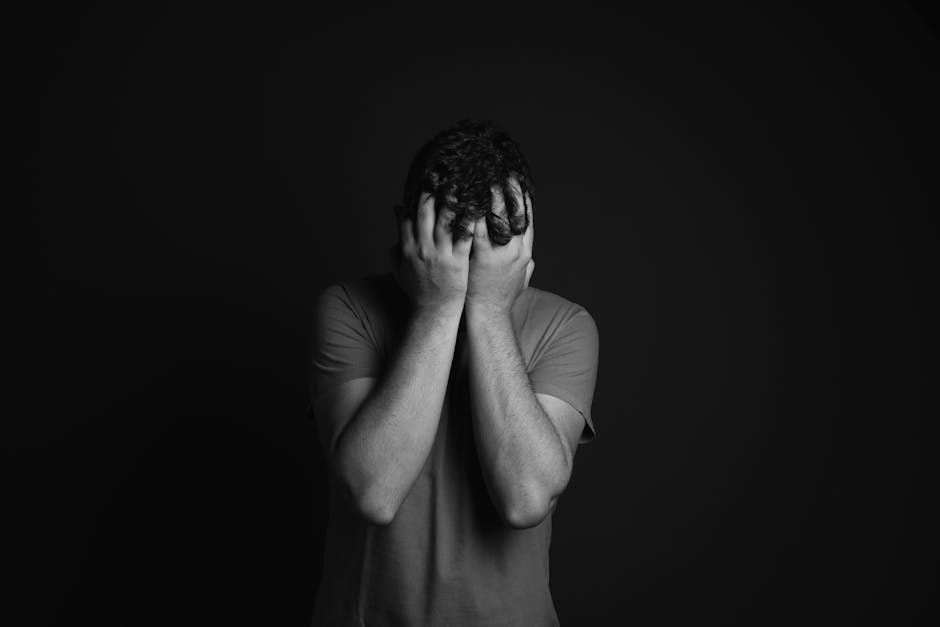
Depression is the leading cause of disability worldwide, affecting over 21 million American adults each year. While outpatient therapy and medication help many, millions continue to suffer despite treatment. For these individuals, depression treatment retreats — also known as residential depression programs — offer a transformative alternative.
This guide covers everything you need to know about residential depression treatment: how it works, what therapies are used, what a typical day looks like, and how to determine if it's right for you.
Understanding Clinical Depression
Clinical depression (Major Depressive Disorder) is far more than sadness. It's a medical condition involving changes in brain chemistry, neural circuitry, and hormonal systems. Symptoms include:
- Persistent feelings of sadness, emptiness, or hopelessness
- Loss of interest in activities once enjoyed
- Significant changes in appetite and weight
- Sleep disturbances — insomnia or oversleeping
- Fatigue and loss of energy
- Difficulty concentrating or making decisions
- Feelings of worthlessness or excessive guilt
- Recurrent thoughts of death or suicide
When these symptoms persist for more than two weeks and interfere with daily functioning, professional treatment is essential.
Why Choose a Residential Depression Retreat?
Residential treatment is recommended when:
- Outpatient therapy hasn't produced sufficient improvement
- Depression is severe enough to impair daily functioning
- There are co-occurring conditions (anxiety, substance use, chronic pain)
- The home environment is contributing to depression
- There's a risk of self-harm or suicide
- Previous treatment attempts have been unsuccessful
"Residential treatment for depression provides the intensity and structure that many patients need to break free from treatment-resistant depression. The immersive environment accelerates healing in ways that weekly outpatient sessions simply cannot." — American Psychiatric Association
Evidence-Based Therapies Used in Depression Retreats
Cognitive Behavioral Therapy (CBT)
CBT is the gold standard for depression treatment. It helps patients identify and restructure negative thought patterns that fuel depressive cycles. In a residential setting, patients receive daily CBT sessions — far more intensive than weekly outpatient visits — leading to faster improvements.
Dialectical Behavior Therapy (DBT)
DBT teaches emotional regulation, distress tolerance, mindfulness, and interpersonal effectiveness. It's particularly effective for treatment-resistant depression and co-occurring personality disorders.
Eye Movement Desensitization and Reprocessing (EMDR)
For depression rooted in trauma, EMDR helps process distressing memories and reduce their emotional impact. Studies show EMDR can produce significant improvement in as few as 6-12 sessions.
Medication Management
Residential psychiatrists can adjust medications in real-time, monitoring for side effects and therapeutic response daily. This dramatically reduces the months-long trial-and-error process common in outpatient settings.
Holistic and Experiential Therapies
Leading retreats also incorporate:
- Art and music therapy — Creative expression as a pathway to emotional processing
- Adventure therapy — Outdoor activities that build confidence and resilience
- Yoga and meditation — Mindfulness practices that reduce rumination
- Nutritional counseling — Gut-brain axis optimization through diet
- Exercise programs — Physical activity is a proven antidepressant

What a Typical Day Looks Like
Residential depression programs are highly structured, which provides the routine and predictability that depression often destroys:
- 7:00 AM — Morning mindfulness meditation or yoga
- 8:00 AM — Nutritious breakfast
- 9:00 AM — Individual therapy session
- 10:30 AM — CBT or DBT group therapy
- 12:00 PM — Lunch and free time
- 1:30 PM — Experiential therapy (art, adventure, or movement)
- 3:00 PM — Psychoeducation group
- 4:30 PM — Free time, journaling, exercise
- 6:00 PM — Dinner
- 7:30 PM — Evening support group or leisure activities
- 9:00 PM — Wind-down routine, lights out
How Long Does Residential Depression Treatment Last?
Programs typically range from 30 to 90 days, depending on symptom severity and individual progress. Research consistently shows that longer stays produce better long-term outcomes, particularly for treatment-resistant depression.
Many facilities also offer step-down programs — partial hospitalization (PHP) or intensive outpatient (IOP) — to provide a gradual transition back to daily life.
Our Top Pick for Depression Treatment
The Bridge Health Recovery Center offers a world-class residential depression program with CBT, DBT, medication management, and holistic therapies. Their compassionate team has helped thousands reclaim their lives. Learn more about their residential depression retreat in Southern Utah.
See the Depression Retreat Featured Center Profile Free consultation: 435-559-1922Success Rates and Outcomes
The evidence for residential depression treatment is compelling:
- 70-80% of patients experience significant symptom reduction during residential treatment
- Depression severity scores typically decrease by 50-70% from intake to discharge
- Improvements are maintained at 6- and 12-month follow-up in the majority of patients
- Quality of life measures show dramatic improvement across work, relationships, and daily functioning
Cost and Insurance Coverage
Residential depression treatment typically costs $10,000 to $50,000 depending on the facility, duration, and level of luxury. However, many programs accept insurance, and the Mental Health Parity and Addiction Equity Act requires insurers to cover mental health treatment at the same level as physical health conditions.
Most retreats have admissions counselors who will verify your insurance benefits at no cost. The Bridge Health Recovery Center offers free insurance verification and can help you understand your coverage options.
You Deserve to Feel Better
Depression lies to you. It tells you that things will never get better, that you're a burden, that treatment won't work. But the evidence — and the stories of thousands of people who've recovered at residential retreats — proves otherwise.
If you or someone you love is struggling with depression, please reach out. A single phone call can be the beginning of a completely different life.
Start Your Recovery Today
The Bridge Health Recovery Center offers confidential, compassionate support. Their admissions team is available 24/7.
Visit TheBridgeRecoveryCenter.com